Car Key Fob Housing Film Application Machine Guide
DawnShine-Team
Car Key Fob Housing Film Application Machine Guide
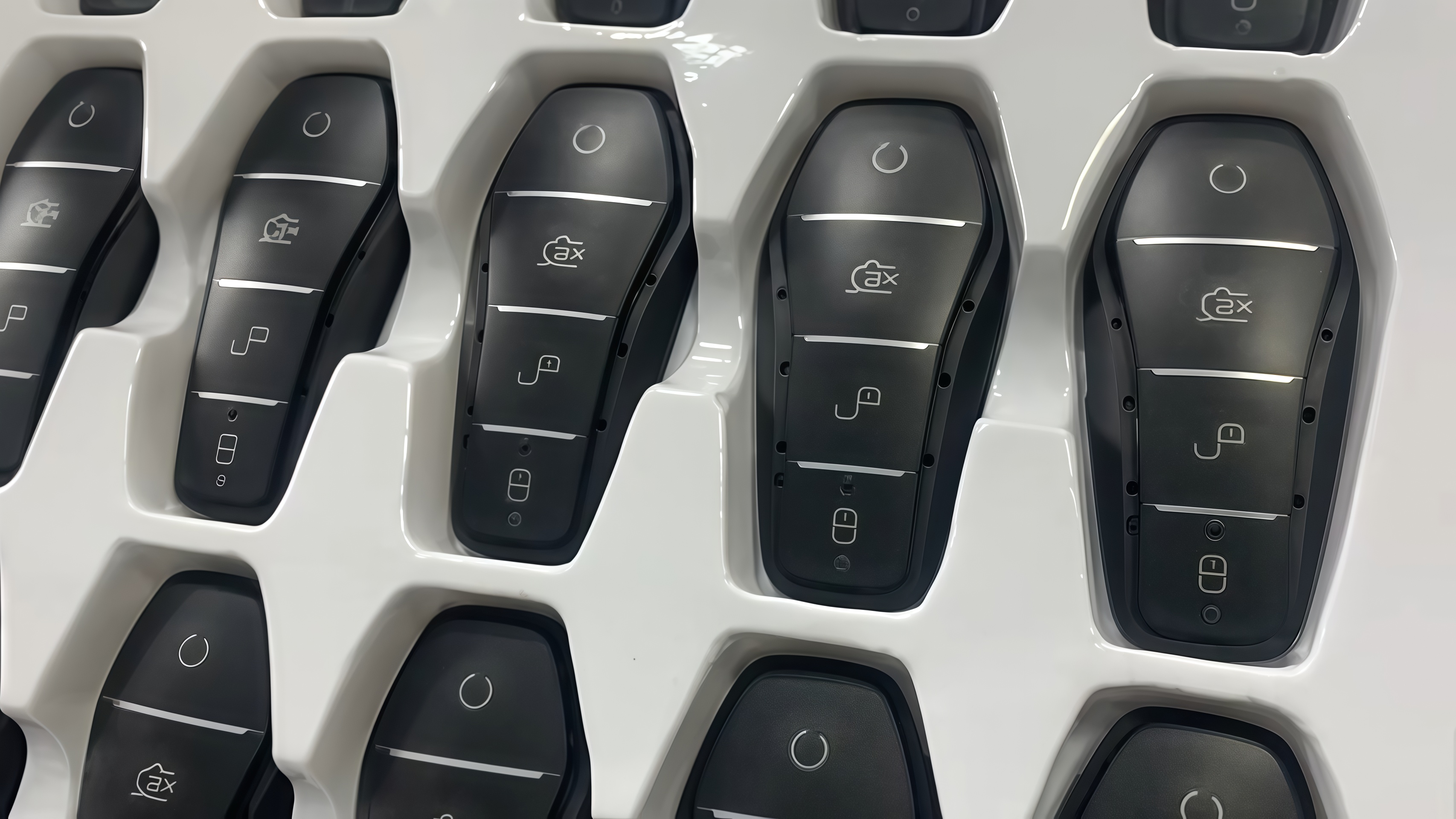
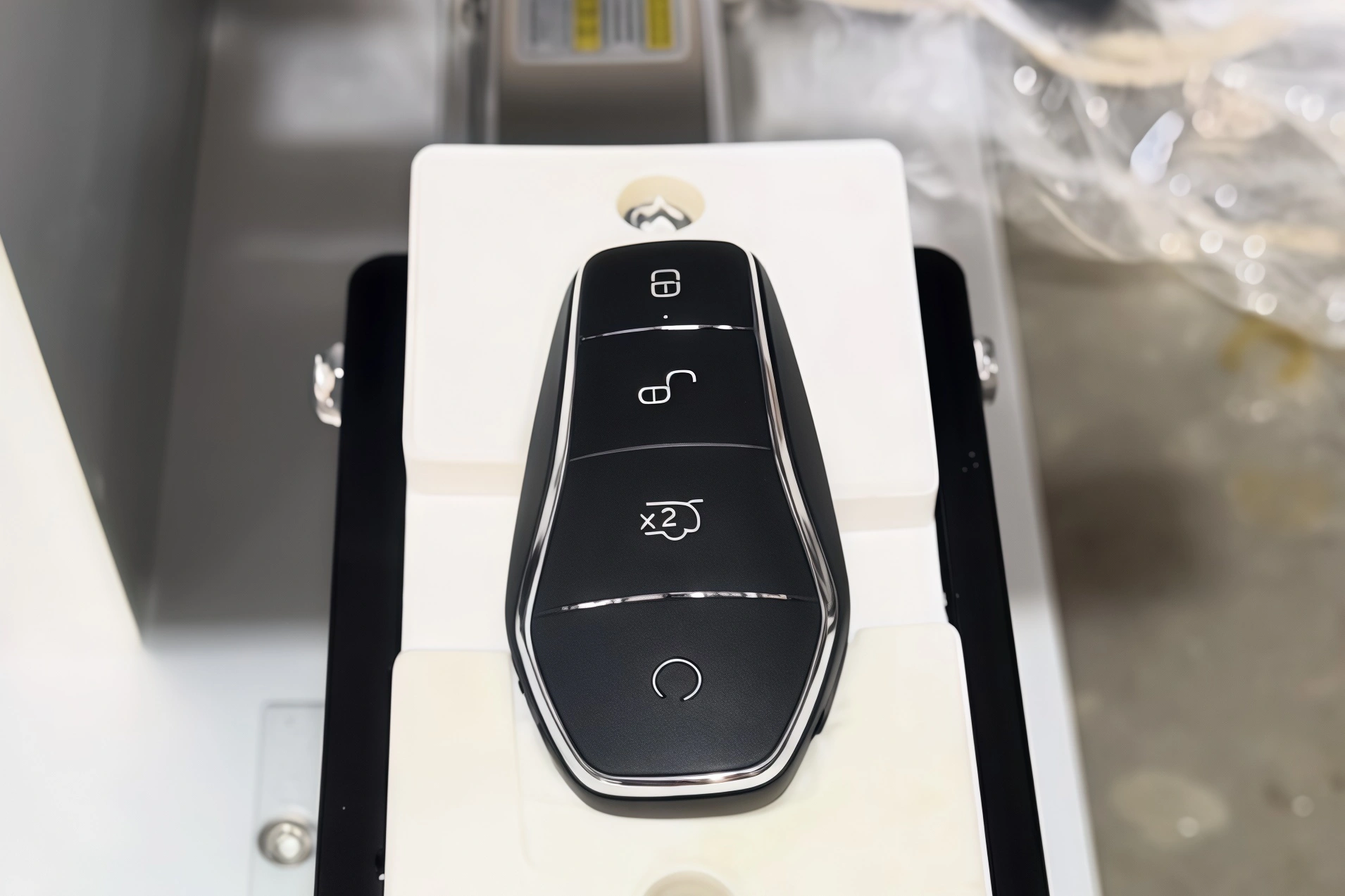
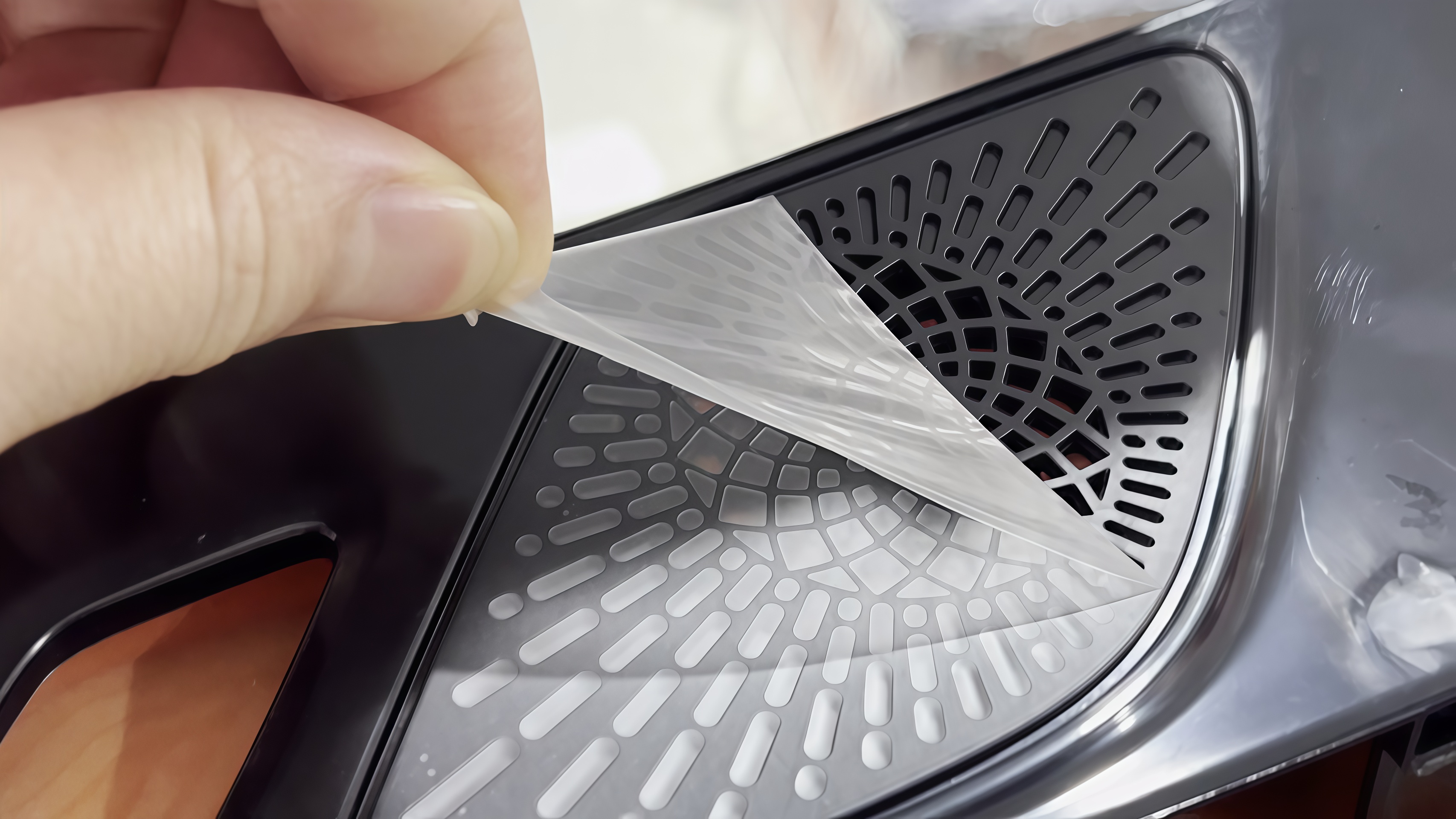
Car key fobs and rearview mirrors are small parts with tight tolerance and visible surfaces, and their protective film is still applied by hand on many lines. Hand application takes seconds per part, but gloss surfaces pick up fingerprints, edges run past the boundary, and bubbles land in a different spot on every piece.
One rejected batch under the inspection light already costs a noticeable share of the equipment. For small parts the answer is a desktop semi-automatic film laminating machine: with a car key fob housing film application machine, film passes over the part in a roll path, and accuracy and output go into the acceptance clause.
|
CORE CONCLUSION Small part lamination is checked on three layers: a film length of 20~210mm and a liner width of 20~165mm take the parts in first; the roll path pushes air out ahead of the bond line; plus or minus 0.2mm placement accuracy locks the position. The desktop frame of about 70kg sits next to the line. Validate by trial: send your own car key fobs and the film rolls in production use. |
The first gate is the film window, not the part name
Selection starts with two numbers. Film length 20~210mm and liner width 20~165mm cover the unfolded size of car key fobs and rearview mirror parts, on flat surfaces, small curves and small circumferences; parts near the boundary go to trial with real samples.
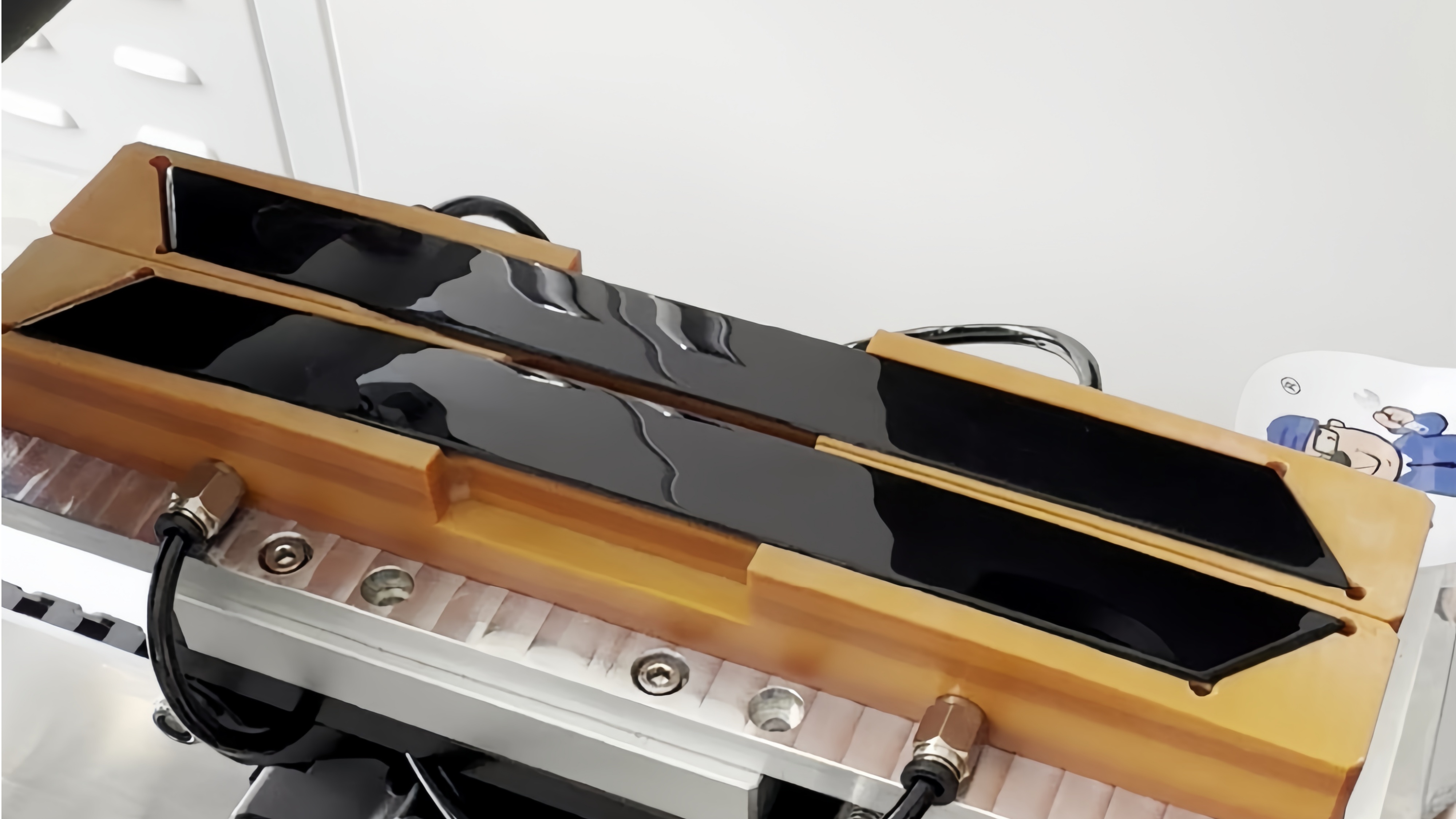
Clip seats and styled surfaces are solved by the fixture top face. The fixture is machined to the part shape and locates the part while the film path passes over it; whether a part with clips or a handle can be laminated is settled in one trial.
The variation source moves from the operator to parameters
In hand application the variation sits with the operator. Pressing force, film path and the alignment datum change from piece to piece, so bubbles land in a different spot on every part; on small parts the tolerance margin is tighter and the variation grows in proportion.
The roll path moves the variation source into parameters. The roller presses section by section, air escapes ahead of the bond line, and low points of a curve do not seal air in; once the path is fixed, bubble and overhang standards are set item by item at the trial, and batches stop drifting. This is what separates a semi-automatic film laminating machine from hand application.
Small parts fear scratches and position offset
Scratches on gloss and plated surfaces come from two places: contact and pressure. The fixture top face is machined to the part shape to avoid hard point contact, roller pressure is adjustable, and the trial is checked against your own light inspection standard; if a scratch shows, the fixture face is corrected before any batch talk.
Changeover replaces fixtures, not the machine
Car key fobs go through several styling rounds a year, so the cost center sits in fixtures and change control. Each part number maps to one fixture set and one parameter set, and a new model follows a fixture change order while the machine stays; ask the fixture price and lead time at the quote stage and put them into the total cost.

The DawnShine solution for small parts
DawnShine has built laminating equipment for 15 years, holds more than 50 patents, works under ISO 9001, and machines fixtures in its own CNC shop. The machine configured for this range is the DS-351 semi-automatic film laminating machine: used as a car key fob housing film application machine, it carries production cases on car key fob film lamination, and rearview mirror film lamination parts share the same window.
|
Parameter |
Value |
Parameter |
Value |
|
Film length |
20~210mm |
Liner width |
20~165mm |
|
Accuracy |
±0.2mm |
Output |
600~1200 pcs/hour (by skill and film size) |
|
Voltage / power |
220V / 50Hz / 0.23kW |
Air pressure |
0.4~0.6MPa |
|
Machine weight |
about 70kg, desktop |
Dimensions |
750×600×820mm |
DS-351 standard configuration. Special requirements are configured to the part, subject to the trial report.
Film types cover PE, PVC, PET, OPP, UV, FPC and PO protective films plus pressure sensitive labels; white film and transparent film are selected against the protection requirement.
Trial runs on your own keys and film rolls
Send four items to the trial: part drawings or 3D data, the film rolls in production use, the takt target, and the customer appearance acceptance standard. The machine runs at production parameters and the trial report returns numbers per part number.
Contact DawnShine to book a trial for a car key fob housing film application machine, or to request a quote for the DS-351 small part roll setup.
About DawnShine
DawnShine (Dongguan Deshang Precision Machinery Co., Ltd.) is based in Dongguan, Guangdong, with 15 years of laminating equipment manufacturing, more than 50 patents, ISO 9001 certification and an in house CNC shop. The selection rule does not change: your parts, film and acceptance standard decide the machine, not the catalog.
Frequently Asked Questions
Can lamination on small parts run without trapped bubbles?
Bubbles are prevented in the roll path, not repaired afterwards. The roller applies pressure section by section and air escapes ahead of the bond line, so low points of a curve do not seal air in; the bubble acceptance standard is set with you item by item at the trial.
How is the ±0.2mm placement accuracy verified?
Accuracy is proven by trial measurement, not by catalog figures. Samples are laminated against your drawing datum, measured and recorded; batch runs start after the first article passes, and the accuracy condition goes into the acceptance clause.
After thousands of parts in continuous production, do accuracy and position hold?
Stability is verified in the trial. The machine runs at production parameters, not a one minute demo; a continuous run checks whether pressure and position drift stays inside the standard, and the drift data ships with the trial report.
Can car key fobs and rearview mirrors change over on the same machine?
Changeover touches fixtures and parameters only; the machine stays. Each part number maps to one fixture set and one parameter set and follows a fixture change order, so the line layout does not move.
Can the trial run on our own film rolls and parts?
Yes, and it must. Samples supplied by the equipment maker cannot represent your film material and surface condition; the trial runs at production parameters and the report returns numbers per part number.
How are fixture cost and ownership handled?
Fixtures are quoted separately per part. Unit price, build lead time and later maintenance and replacement responsibilities are written down at the quote stage and into the contract, so nothing is appended later.
How is lead time quoted?
Machine and fixture lead times are quoted separately, never one vague total. The final configuration states machine lead time, fixture build time and shipping arrangements in the contract.
How are after sales response and spare parts covered?
Response times follow the contract clauses, written down before signing. Remote guidance, onsite service and the spare parts list shipped with the machine are confirmed before acceptance; routine maintenance comes with operator training.
Website:An OEM Manufacturer of Automatic Laminating Equipment with Over 15 Years of Expertise
Email: deshangjingji@gmail.com
Table of Contents
Recent Articles
Car Key Fob Housing Film Application Machine Guide
November, 20, 2026
Automotive Pillar Trim Laminating Machine Coverage
November, 17, 2026
Plastic Automotive Parts Film Laminating Machine: Buyer Checklist
November, 12, 2026
Automotive Exterior Trim Laminating Machine: Overhang and Bubbles
November, 10, 2026
Related Articles
Explore more insights from our technology and innovation coverage