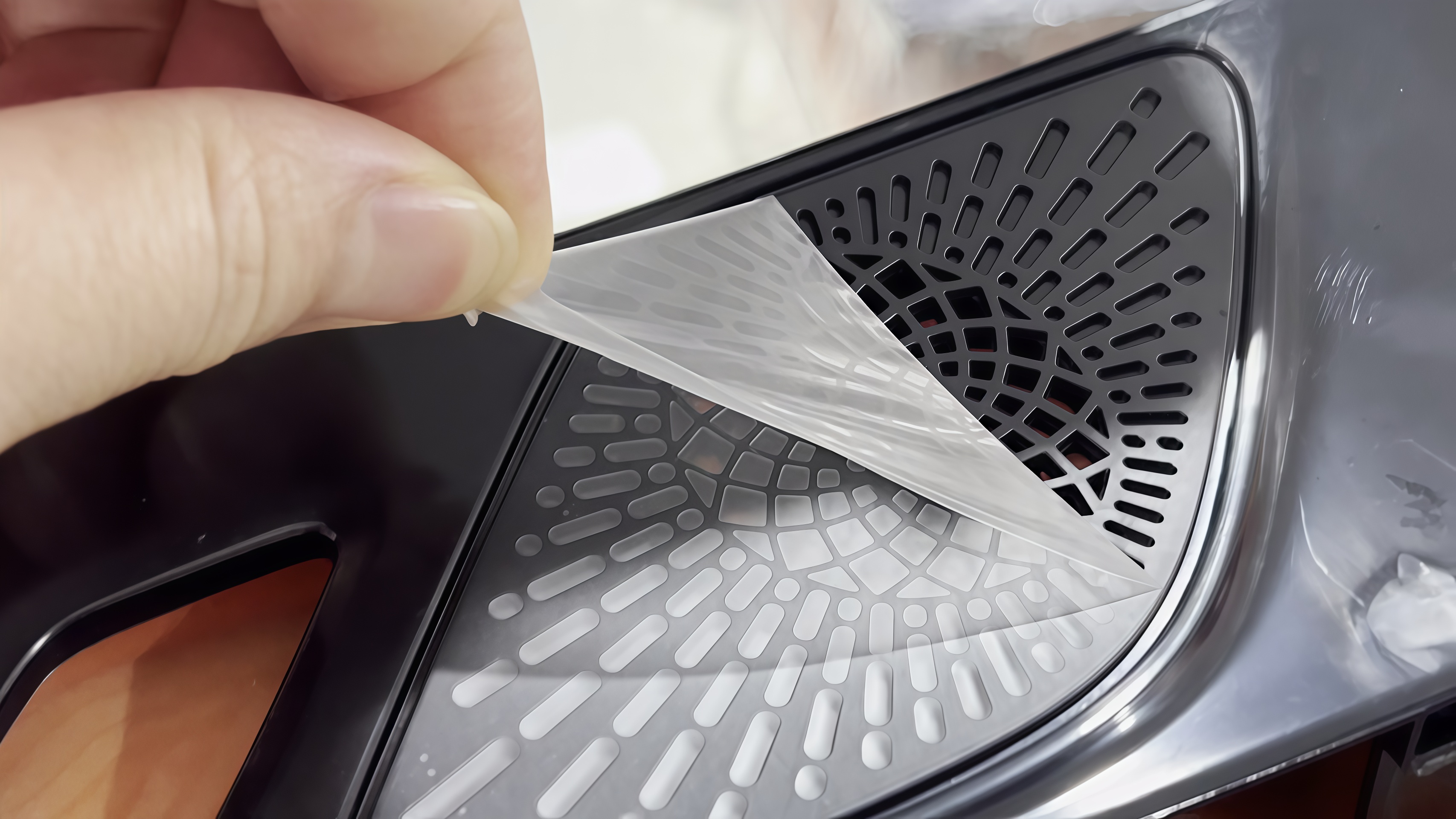
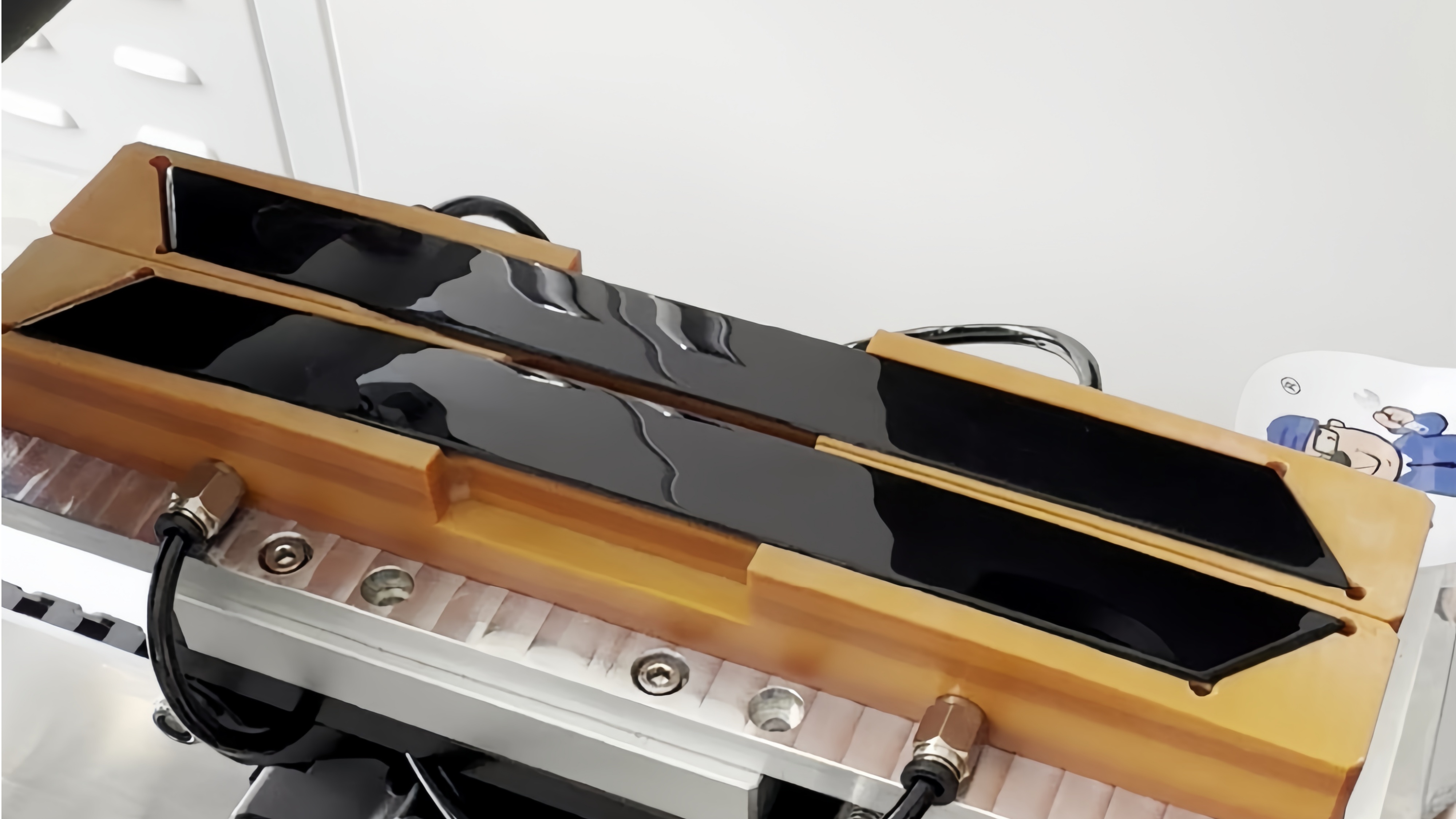
Automotive Display Protective Laminating: Key Process Considerations
Automotive center displays and navigation screens are important components of modern vehicle interiors. As display designs become more diverse, manufacturers need to consider not only the appearance of the finished product but also surface protection, film alignment, and process consistency during production.
For manufacturers working with automotive infotainment displays, selecting an appropriate automotive center display protective film application machine starts with understanding the product structure, film requirements, and production process.
1. Why Does Automotive Display Protective Film Application Require Careful Process Control?
Automotive displays may differ in size, shape, edge design, and surface curvature. These differences can affect how protective film is positioned and applied.
Several factors deserve attention during process development:
-
Surface cleanliness: Dust and other contaminants can become trapped between the film and the display surface.
-
Film alignment: The film must be positioned correctly relative to the display's usable area and edges.
-
Surface geometry: Flat surfaces and curved or contoured areas may require different application approaches.
-
Air entrapment: The application process should be evaluated for bubbles, wrinkles, and incomplete contact.
-
Repeatability: For batch production, manufacturers need a process that can deliver consistent results across repeated cycles.
These factors should be evaluated together rather than treating film application as a simple placement operation.
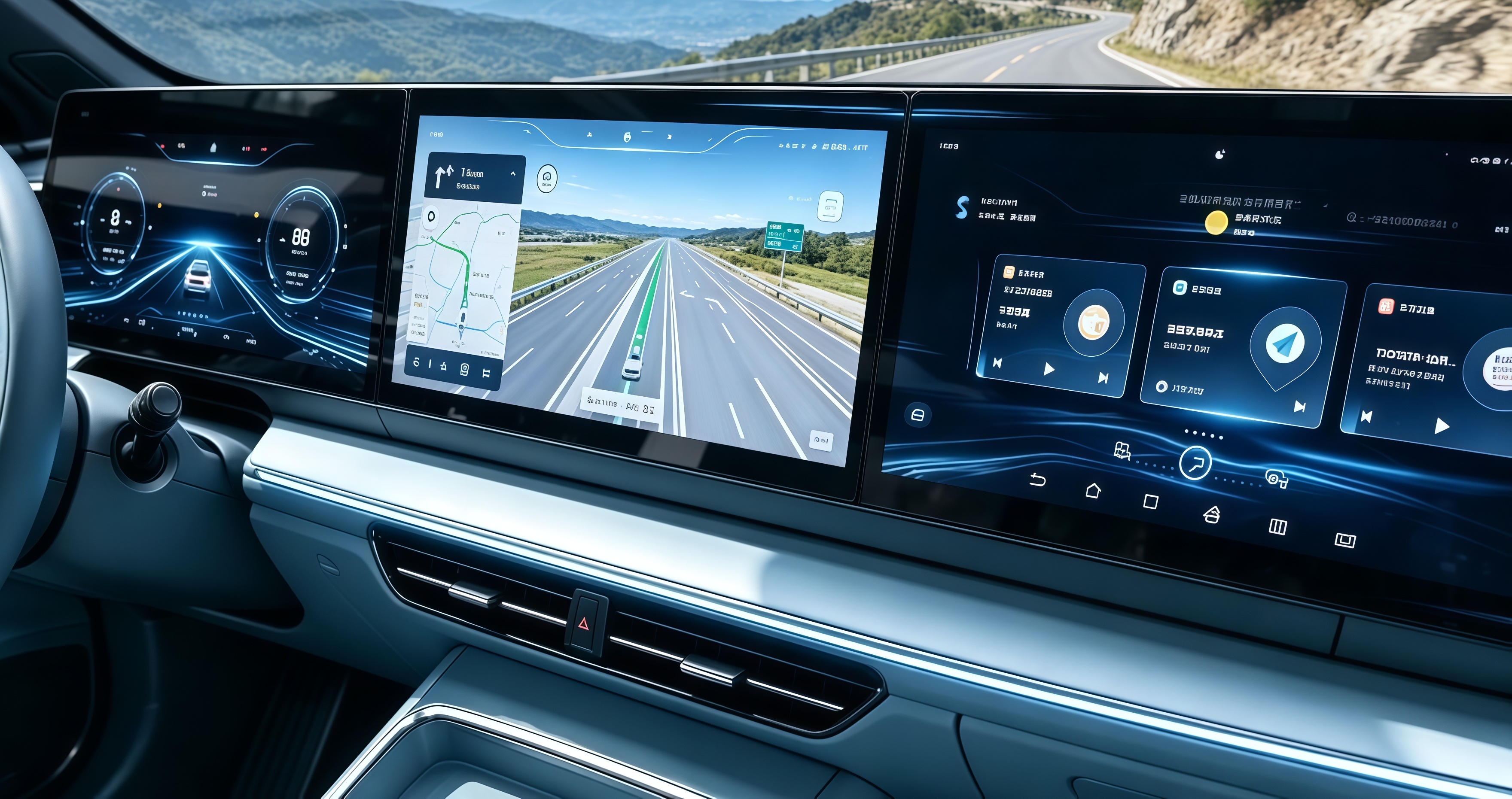
2. What Should Manufacturers Consider When Choosing a Film Application Machine?
An automotive infotainment display protective film machine should be evaluated according to the actual product and production requirements.
Product Dimensions and Surface Geometry
Start by identifying the display dimensions, surface profile, edge conditions, and any areas that must remain uncovered.
A solution designed for flat products may not be suitable for every curved or specially shaped component. Manufacturers should confirm that the proposed machine can accommodate the geometry of their specific display.
Film Material and Application Method
Different protective films may have different thicknesses, flexibility, release characteristics, and application requirements.
Before selecting equipment, clarify the film material, its supplied format, the required application area, and whether the process involves automatic film feeding or cutting.
The compatibility of the film, product surface, and application method should be verified through sample testing.
Positioning and Alignment
Film alignment is particularly important when the protective film must follow the display's shape or maintain a defined margin around its edges.
Depending on the product and process, positioning may involve mechanical fixtures, sensors, or vision-based alignment. The appropriate method should be selected according to the required positioning accuracy and product characteristics.
Production Volume and Automation
Manufacturers should also consider their expected output, product changeover frequency, operator involvement, and integration with existing production processes.
A semi-automatic solution may suit some production requirements, while a more automated configuration may be appropriate for repetitive, higher-volume operations.
The objective is to select equipment that matches the actual manufacturing process rather than choosing automation solely by its level.
3. How Can Manufacturers Evaluate Film Application Quality?
Before approving an automotive display protective film application process, manufacturers should establish clear acceptance criteria.
A practical evaluation may include:
-
Positioning: Check whether the film is aligned with the specified application area.
-
Surface appearance: Inspect for bubbles, wrinkles, trapped contaminants, and visible application defects.
-
Edge condition: Examine film edges for lifting, incomplete contact, or other issues relevant to the product design.
-
Repeatability: Apply the film to multiple samples to assess consistency.
-
Process suitability: Confirm that the equipment, film, fixtures, and operating procedure work together under the intended production conditions.
Sample testing is an important step because results can vary with the display geometry, film material, surface condition, and application method.
4. Protective Film Application Is Different From OCA Optical Bonding
When researching display-related equipment, it is important to distinguish protective film application from OCA optical bonding.
Protective film application focuses on applying a protective film to the specified surface of a product.
OCA optical bonding generally involves optically bonding display components using optically clear adhesive, often to reduce the air gap between layers and improve optical performance.
Although both processes involve film or adhesive materials and display products, they serve different purposes and may require different equipment, process controls, and validation methods.
Manufacturers should define the required end result before searching for a machine or requesting a quotation. This helps prevent confusion between protective film application equipment and optical bonding equipment.
5. What Information Should You Prepare Before Requesting a Machine Solution?
To evaluate an automatic protective film application machine for automotive displays, manufacturers should prepare the following information whenever available:
-
Product details: Display drawings, dimensions, photographs, and surface geometry.
-
Film specifications: Film material, thickness, supplied format, and application requirements.
-
Application area: The exact surface that requires protective film, including any restricted areas.
-
Quality requirements: Positioning tolerance, acceptable appearance, and edge requirements.
-
Production targets: Expected output, working shifts, and current process limitations.
-
Automation preferences: Desired level of automation, loading and unloading requirements, and existing production-line conditions.
These details help equipment manufacturers assess feasibility, identify process risks, and determine whether sample testing or a customized solution is needed.
6. Discuss Your Automotive Film Application Requirements With DawnShine
DawnShine, manufactured by Dongguan Deshang Precision Machinery Equipment Co., Ltd., develops automation equipment for industrial film application and related manufacturing processes.
For automotive display and navigation screen applications, equipment selection should be based on the actual workpiece, protective film, required application area, and production objectives.
Rather than assuming that one machine configuration fits every display, manufacturers should first confirm process feasibility using product samples and technical requirements.
Looking for a film application solution for automotive displays or other automotive interior components?
Contact DawnShine to discuss your product drawings, film specifications, and production requirements.
Website: https://www.dsautomachine.com/
Email: deshangjingji@gmail.com


.jpg)
.jpg?imageView2/1/w/64/h/64/format/webp)